High-risk pregnancy
A pregnancy is high risk when you or your baby have a higher chance of health problems before, during or after birth. This may mean you need extra checks and closer care. Dr Anu Mahadik supports women through high-risk pregnancies at Westmead and Kogarah, and works alongside other specialists when this helps your care.
The basics
What makes a pregnancy high risk?
A high-risk pregnancy can start from a health condition you already have before falling pregnant, or a condition that develops during the pregnancy. Some of the conditions that may make your pregnancy high risk include:
- Being over 35
- Smoking, drinking alcohol or using drugs during pregnancy
- Carrying twins or more
- High blood pressure in a current or previous pregnancy, such as pre-eclampsia
- A previous premature birth
- A health condition, such as high blood pressure, heart or blood conditions, diabetes, obesity, epilepsy, thyroid disease, poorly controlled asthma or an infection
- Two or more miscarriages (recurrent miscarriage) — see the miscarriage page
If any of these apply to you, it does not mean you will have problems. It means Dr Mahadik will keep a closer eye on you and your baby, and plan your care around your needs.
During pregnancy
Risks that develop during pregnancy
You may not begin your pregnancy as high risk. Sometimes a condition develops along the way that changes this. Some of the pregnancy conditions that may make your pregnancy high risk include:
- A placenta that sits in a low or unusual position
- Fetal growth restriction, where the baby grows more slowly than expected
- Rhesus (Rh) sensitisation, where your immune system reacts to your baby's blood
If your pregnancy becomes high risk, you will have closer monitoring and care. This may mean more regular appointments and some extra tests. Dr Mahadik will explain what is happening and help you understand what your care involves.
Twins and multiples
Twin and multiple pregnancy
With a twin or multiple pregnancy you can expect more of the usual pregnancy symptoms, such as nausea, heartburn, tiredness and varicose veins. You will also need more frequent check-ups to follow your babies' growth and keep an eye on your own health.
You will be watched closely for signs of early labour, which is more common with twins. You may have more frequent ultrasounds as the pregnancy goes on, especially later in the pregnancy.
It helps to be ready for an earlier birth. Your birth may be planned before your due date, either by inducing labour or by caesarean section. The timing depends on the type of twins and any other pregnancy complications.
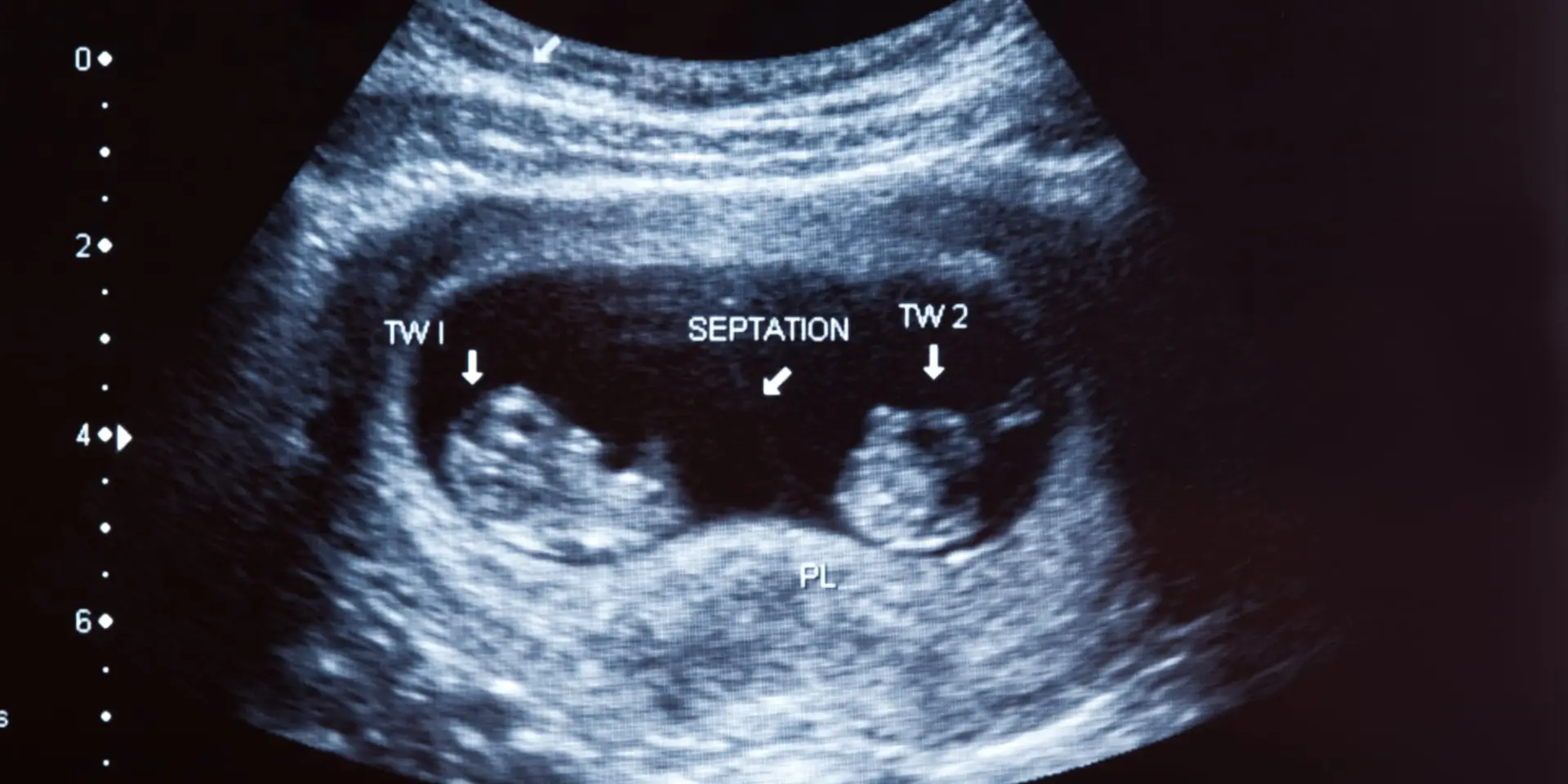
Complications to be aware of with multiples
Knowing about possible complications helps you feel prepared and seek care early if you need it. Carrying twins or more does not mean you will have these problems — healthy multiples are born every day.
During pregnancy you have a higher chance of gestational diabetes, and an endocrinologist can help you manage your blood sugar levels. You are also more likely to develop high blood pressure. In identical twins who share a placenta, one baby can receive too much blood and the other too little (twin-to-twin transfusion). This is serious and is monitored closely with specialist ultrasounds. Twins are also more likely to be born early, which can bring added care needs depending on how early they arrive.
Extra support after the birth
You may need more rest and support with twins than you expect, especially if your babies are born early or need extra medical care. Planning this support ahead of time can make the early weeks easier.
Blood pressure
High blood pressure and pre-eclampsia
Some women have raised blood pressure during pregnancy. When this happens after 20 weeks and comes with extra protein in your urine, it may be part of a condition called pre-eclampsia.
Some women have a higher chance of pre-eclampsia, including women who:
- Are in their first pregnancy
- Had pre-eclampsia in their last pregnancy
- Have diabetes that started before pregnancy
- Had high blood pressure before pregnancy
- Have an autoimmune condition, such as lupus (SLE)
- Have a kidney condition
- Have a BMI over 30
Pre-eclampsia is managed with careful monitoring of you and your baby, and sometimes medication to keep your blood pressure stable. Dr Mahadik will talk you through what this means for your pregnancy and your birth plan.
Diabetes
Diabetes in pregnancy
Women who have diabetes before pregnancy can have healthy pregnancies with good planning and pre-pregnancy advice. This gives you the chance to check how well your diabetes is controlled and whether it is affecting your kidneys, heart, liver or eyes.
Getting your blood sugar levels well controlled before you fall pregnant, and being on medicines that are safe in pregnancy, helps keep problems to a minimum for you and your baby.
How your pregnancy is cared for
Your care is shared between Dr Mahadik and your endocrinologist. It helps to be seen soon after your dating ultrasound. At your first visit you will be given a detailed care plan made for your situation. You will talk through home blood sugar monitoring and the levels to aim for during pregnancy, and your baby's growth will be followed closely with regular ultrasounds.
Diabetes Australia has helpful information on diabetes and pregnancy, including planning ahead and managing your blood glucose.
Baby’s growth
Fetal growth restriction
Fetal growth restriction is when a baby does not grow to its expected weight during pregnancy. Your baby's growth during pregnancy is plotted in percentiles. When a baby's estimated weight is below the 10th percentile, the baby is considered small.
Some babies are small simply because they are meant to be small, and are otherwise healthy. Others are small because of a problem with the baby, the placenta or the mother. Common reasons include high blood pressure, type 2 diabetes, long-term kidney problems, autoimmune conditions such as lupus, smoking, infections, or a condition present in the baby.
How growth is followed
Growth restriction may first show up when your bump measures smaller than expected for your weeks of pregnancy, and is confirmed with an ultrasound. If your baby is measuring small, you will have more frequent check-ups, closer ultrasound monitoring, and sometimes extra blood tests to look for a reason. In some cases an earlier planned birth is recommended, depending on how small the baby is measuring and the blood flow and fluid around your baby. If an earlier or planned birth is recommended, Dr Mahadik will talk you through your delivery options and what they mean for you.
Common questions
High-risk pregnancy — common questions
A pregnancy is high risk when you or your baby have a higher chance of health problems before, during or after birth. This can come from a condition you already have, such as high blood pressure or diabetes, from your age or from carrying twins. It usually means you will have closer monitoring and extra check-ups.
Yes. You may start your pregnancy with no concerns and develop a condition along the way that makes it high risk, such as high blood pressure or a problem with the placenta. This is one reason regular check-ups matter, as they help pick up changes early.
Not necessarily. A high-risk label often relates to your own health or to the need for closer monitoring, rather than a problem with your baby. Your care team will explain what the label means in your situation.
This depends on your situation, but you can expect more frequent appointments than a standard pregnancy, along with extra tests and ultrasounds. Dr Mahadik will set out a plan based on your needs at your first visit.
Fraternal (non-identical) twins come from two separate eggs fertilised by two different sperm, so they do not share the same DNA and can be the same or different sexes. Each baby usually has its own placenta and sac. Identical twins come from one fertilised egg that splits, so they share the same DNA and sex. Identical twins may share a placenta, which means they need closer monitoring. Triplets and higher multiples can be identical, fraternal, or a mix of both.
Not always. A vaginal birth is still possible with twins if the first baby is head-down and labour goes to plan. A caesarean may be recommended if the first twin is not in the right position, if there are complications, or for higher-order multiples. Dr Mahadik will discuss the safest option for you.
Yes. The more babies you are carrying, the more likely you are to give birth early. If you show signs of early labour, you would be assessed in hospital and may be given steroid medicine to help your babies’ lungs develop. Depending on how early labour starts, you may be cared for at a hospital with a nursery set up for premature babies.
Twins and higher multiples are found on an ultrasound. An early ultrasound before 12 weeks can show the type of twin pregnancy. Identical twin pregnancies need closer monitoring with more frequent scans, as they can have more complications from sharing a placenta.
Twin pregnancies can happen by chance. They are also more common with older age, with a family history of twins, or with assisted reproduction such as IVF. IVF and older age can also raise the chance of triplets or more.
Pre-eclampsia is a condition with raised blood pressure and extra protein in your urine, usually after 20 weeks. You have a higher chance of it in a first pregnancy, if you had it before, or if you have diabetes, existing high blood pressure, an autoimmune condition, a kidney condition or a BMI over 30.
Pre-eclampsia can affect the blood vessels in the placenta. This may slow your baby’s growth, reduce the fluid around your baby, or lead to an early birth. Because of this, you and your baby are monitored closely.
You may. Taking a low dose of aspirin, started before 12 weeks, can lower the chance of pre-eclampsia in a future pregnancy for some women. This should always be done with specialist advice, as it is not right for everyone.
If pre-eclampsia becomes severe, you would usually be cared for in hospital so you and your baby can be watched closely. This may include medication through a drip to lower your blood pressure, and sometimes magnesium to lower the chance of seizures. Depending on how far along your pregnancy is, the safest next step is sometimes to plan the birth. Your care team will explain each step as it happens.
In more serious cases, pre-eclampsia can affect how your kidneys, liver and blood clotting work, and it can raise the chance of seizures. This is why you are monitored closely if you develop it. Pre-eclampsia can also appear in the first couple of weeks after birth, so your blood pressure is checked during this time too.
Yes. Many women with diabetes have healthy pregnancies with good planning. Getting your blood sugar well controlled before pregnancy and using medicines that are safe in pregnancy helps keep problems to a minimum for you and your baby.
When diabetes is well controlled before and during pregnancy, the chance of problems is kept low. If a pregnancy is unplanned or diabetes is not well controlled, there is a higher chance of complications. These can include miscarriage, problems with the baby’s growth or development, high blood pressure or pre-eclampsia, infections, an earlier birth, or a greater chance of needing a caesarean. Poorly controlled diabetes can also affect your own health, including your eyes and kidneys. Good planning and regular care are the best ways to lower these risks, and Dr Mahadik will support you through this.
Many women with diabetes in pregnancy are offered a planned induction between 38 and 39 weeks. The timing depends on how well your diabetes is controlled, your baby’s growth and any other complications.
Most babies of women whose diabetes is well controlled do well after birth. Your baby may be watched for low blood sugar, jaundice, feeding and temperature. Babies of mothers with diabetes can sometimes be larger, which can make the birth more difficult, so if this happens your baby may also be checked for any injury afterwards.
Some babies are small simply because they are meant to be, and are otherwise healthy. Others are small because of high blood pressure, type 2 diabetes, kidney problems, an autoimmune condition, smoking, an infection, or a condition present in the baby.
It may first show up when your bump measures smaller than expected for your weeks of pregnancy. An ultrasound then confirms it by measuring your baby, including the size of the baby’s tummy, against the expected range for that stage. A tummy measurement below the expected range is one of the signs used to identify a small baby.
You would have more frequent check-ups and closer ultrasound monitoring, and sometimes extra blood tests to look for a reason. Depending on how small your baby is measuring and the blood flow and fluid around your baby, an earlier planned birth may be recommended.
Yes. Dr Mahadik is a specialist, so you need a GP referral. It also means your appointment may attract a Medicare rebate. Your GP can start some initial checks and refer you to Dr Mahadik at either location.
Care that fits your pregnancy
A higher-risk pregnancy often means a few more appointments and a little closer monitoring. Dr Mahadik can talk you through what this means for you and work with you to plan your care.